The handoff is complete. Documentation is thorough. Design specifications are clear.
Yet this is not where collaboration ends—it’s where it truly begins.
What follows is a critical phase where design intent meets technical reality. How designers and developers work together during this period directly impacts the quality, consistency, and usability of the final product. The opportunity lies in staying engaged throughout implementation while working together to balance design intent with technical realities.
But first, what does collaboration after handoff really mean?
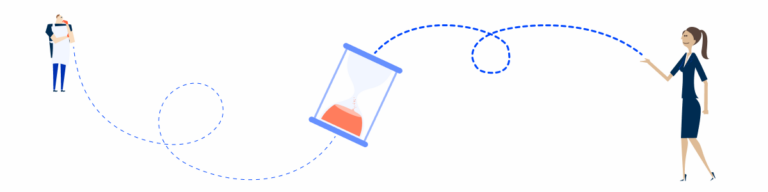
The traditional model treats handoff as a boundary: designers create, developers build, and interaction is limited to clarification and problem-solving. A collaborative model, however, treats handoff as a transition—the beginning of a shared responsibility for bringing design intent to life within technical constraints. This distinction changes everything. In a traditional handoff, a developer encounters an edge case and implements a solution. In collaboration, a developer surfaces an edge case and designer and developer together decide how to handle it. The result is invariably better.

Why collaboration matters
No design file can anticipate every scenario that will emerge during implementation. Real products contain technical constraints, unexpected user flows, legacy code, performance considerations, accessibility requirements, and business priorities that only become fully visible once development begins.
Keeping designers involved throughout implementation allows these challenges to be addressed before they become usability issues. Instead of simply answering questions, designers contribute to shaping solutions that balance user needs with technical feasibility. Likewise, developers bring valuable insight into how an experience can be implemented more efficiently, reused across the product, or improved through existing components and platform capabilities.
The objective is not to protect the original design at all costs—it is to deliver the best possible user experience.
Collaboration in practice
Effective collaboration does not require constant meetings or lengthy design reviews. It is built through small, continuous interactions that keep both disciplines aligned.
Some examples include:
- Review user stories together. Identify missing states, business rules, or technical constraints before development begins.
- Adapt to changing requirements. New business needs often require rethinking the experience, not just extending it.
- Validate edge cases as they emerge. Make implementation decisions together instead of relying on assumptions.
- Reuse existing Design System components. Small design adjustments can often replace the need for custom solutions.
- Balance design intent with technical reality. When constraints arise, explore alternatives that preserve the user experience rather than the exact interface.
- Document important trade-offs. Capture key implementation decisions so the reasoning is clear for future iterations.
- Review implemented features before QA. Catch accessibility, interaction, and usability issues while they’re still easy to fix.

Feedback is a two-way conversation
Collaboration is most effective when feedback flows in both directions. Developers may identify opportunities to simplify an interaction, improve performance, or leverage existing platform capabilities. Designers may recognize usability issues introduced during implementation or suggest refinements that improve clarity and accessibility. Neither perspective is complete on its own. The strongest solutions emerge when both viewpoints are considered together.
Collaboration is about decisions, not meetings
Effective collaboration is not measured by the number of meetings between designers and developers. It is measured by how quickly and confidently decisions can be made together. Sometimes a five-minute conversation can prevent days of rework. The objective is not to increase communication, but to improve the quality and timing of the conversations that matter.
The product is the shared outcome
The success of a feature is not measured by how closely the implementation matches a Figma file. It is measured by how well the final product helps users accomplish their goals.
That outcome depends on continuous collaboration long after handoff. When designers remain engaged, developers feel comfortable raising questions, and both disciplines approach challenges as shared problems rather than individual responsibilities, implementation becomes more than building screens—it becomes an extension of the design process itself.
Ultimately, handoff is not the finish line. It is the point where collaboration has the greatest opportunity to influence the quality of the product.